
"Limu region"
300 article(s) found

Esseter Bialim Sediloya Cooperative Coffee introduction to Coffee Farm in Ethiopia
Professional coffee knowledge exchange more coffee bean information please follow Coffee Workshop (Wechat official account cafe_style) Sediloya Cooperative Sediloya Co-operative is a group of 814 farmers in Guera. They are part of the Keta Meduga Alliance, a brand new Limu alliance that was founded in 2016. The alliance has United 20 members in the Agaro region.

African producing countries
1. Ethiopian Ethiopia Ethiopian coffee is neither strong nor irritating. It is produced in Harald (Harrar), Yega Xuefei (Yirgacheffe), Sidamo (Sidamo), Limu (Limu), Djimmah (Djimmah), Lekempti (Kepa), Kapa and other places. Among them, Harald Coffee is the representative of Ethiopian Coffee.
14-3 African producers introduced by the world coffee producers
African producing countries 1. Ethiopia Ethiopia Ethiopian coffee is neither strong nor irritating. It is produced in Harald (Harrar), Yega Xuefei (Yirgacheffe), Sidamo (Sidamo), Limu (Limu), Djimmah (Djimmah), Lekempti (Kepa), Kapa and other places. Among them, Harald coffee is the substitute of Ethiopian coffee.

World coffee producing countries introduce African producing countries
African producing countries 1. Ethiopia Ethiopia Ethiopian coffee is neither strong nor irritating. It is produced in Harald (Harrar), Yega Xuefei (Yirgacheffe), Sidamo (Sidamo), Limu (Limu), Djimmah (Djimmah), Lekempti (Kepa), Kapa and other places. Among them, Harald coffee is the substitute of Ethiopian coffee.

African producers introduced by coffee producers in the world
African producing countries 1. Ethiopia Ethiopia Ethiopian coffee is neither strong nor irritating. It is produced in Harald (Harrar), Yega Xuefei (Yirgacheffe), Sidamo (Sidamo), Limu (Limu), Djimmah (Djimmah), Lekempti (Kepa), Kapa and other places. Among them, Harald coffee is the substitute of Ethiopian coffee.

How should coffee be roasted in Lim, Ethiopia? What flavor does lim coffee have?
Professional coffee knowledge exchange more coffee bean information please follow the coffee workshop (Wechat official account cafe_style) Ethiopian coffee is mainly produced in eight major areas: Ekempti, Limu, Illubabor, Djimma, Harrar, Teppi/Bebeka, Sidamo, Yirgacheffe. Ethiopian coffee is highly rated in Taiwan, especially in Ethiopia.

Coffee from Lim Biftu Gudina Cooperative in Ethiopia Coffee production in Ethiopia
Professional coffee knowledge exchange more coffee bean information please follow Coffee Workshop (Wechat official account cafe_style) Biftu Gudina Cooperative Biftu Gudina Cooperative is a group of 138farmers based in Goma. The cooperative is part of a new Limu alliance, the Keita Medoga Alliance (Keta Meduga Union), which was established in 2016. This alliance is in Aga.
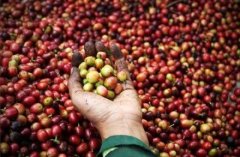
Introduction to the producing area of fine coffee beans in African producing countries
1. Ethiopian Ethiopia Ethiopian coffee is neither strong nor irritating. It is produced in Harald (Harrar), Yega Xuefei (Yirgacheffe), Sidamo (Sidamo), Limu (Limu), Djimmah (Djimmah), Lekempti (Kepa), Kapa and other places. Among them, Harald Coffee is the representative of Ethiopian Coffee.

Coffee producing countries in the world introduce coffee bean producing countries in Africa
African producing countries 1. Ethiopia Ethiopia Ethiopian coffee is neither strong nor irritating. It is produced in Harald (Harrar), Yega Xuefei (Yirgacheffe), Sidamo (Sidamo), Limu (Limu), Djimmah (Djimmah), Lekempti (Kepa), Kapa and other places. Among them, Harald coffee is the substitute of Ethiopian coffee.

Introduction of Yega Xuefei Adado (Adado) Cooperative introduction of the flavor characteristics of Yega Xuefei coffee
Professional coffee knowledge exchange more coffee bean information please follow the coffee workshop (Wechat official account cafe_style) there are eight major producing areas in Ethiopia: Ekempti, Limu, Illubabor, Djimma, Harrar, Teppi/Bebeka, Sidamo, Yirgacheffe. Yirgacheffe is located in the Gedeo region of southern Ethiopia.

Coffee beans suitable for hand flushing what coffee beans do you use by hand? Ethiopian Limtega and Tula.
Professional coffee knowledge exchange more coffee bean information please follow the coffee workshop (Wechat official account cafe_style) suitable for hand-brewed coffee beans recommended Property Characteristics: farm features Name name: Tega and Tula Farm Taiga and Tula farms Region producing area: Limu Country country: Ethiopia Ethiopia Grade level: G3 Al
World Fine Coffee Producers African Producers
Ethiopia Ethiopian coffee aroma is neither strong nor irritating. It produces in Harrar, Yirgacheffe, Sidamo, Limu, Djimmah, Lekempti and Kapa. Harar coffee is the successor to Ethiopian coffee.

Lim producing area of Ethiopia | Keshagsi Farm-Wind from the sun treatment of native species in Teana
Professional coffee knowledge exchange more coffee bean information please follow Coffee Workshop (Wechat official account cafe_style) Lim production area of Ethiopia | Kesakesi Farm-what is the flavor of Teana native species sun treatment? Sounds of nature this bean is different from the familiar Yegashifi and Sidamo, and the producing area of Limu (Lim) is only in recent years.

Roasting of raw beans in Ethiopian coffee
Following caf é comments (Wechat official account vdailycom) found that Beautiful Cafe opened a small shop of its own Ethiopia: the place where coffee was born Ethiopia is recognized as the birthplace of coffee and the birthplace of all kinds of coffee we taste today, it plays an important role in the history of coffee development. With respect and admiration for the birthplace of coffee, Starbucks

Description of the flavor of Ethiopian coffee beans introduction to the taste of manors in the areas where grinding varieties are produced
In the southwestern highlands of Ethiopia, the Kaffa, Sheka, Gera, Limu and Yayu Senri coffee ecosystems are considered to be the hometown of Arabica coffee. These forest ecosystems also have a variety of tools

Differences in flavor and taste of coffee stories from single producing areas in Ethiopia's best coffee bean producing areas
Until 1995, Ethiopia was divided into

Description of Flavor of Sunshine Sidamo Coffee beans introduction to Grinding scale for Regional treatment of Manor production
Sun Xidama coffee bean flavor description taste manor production area treatment grinding scale introduction 1. Limu coffee grows between 1400 meters and 2000 meters above sea level. Wash the coffee. Excellent quality, with strong nut aromas, suitable acidity, with the intensity of wine. The annual output is 29000 tons. 2. Jima Coffee grows between 1400 and 1800 meters above sea level. Sun-baked coffee. Micro

Description and processing method of Flavor of single Coffee Bean planting Information in Shaqisuo producing area
Professional barista exchanges please pay attention to the coffee workshop (Wechat official account cafe_style) Guji-Shaquiso coffee is actually quite unique, the production of coffee and has repeatedly won market attention, Ninty Plus launched at the end of 2009 legendary bean Nekisse, the original intention is from Shaquiso nectar (Nectar from Shakisso), the source and life

Xia Qi Suo single bean flavor description characteristics, producing area information planting history
Exchange of professional baristas Please follow the coffee workshop (Wechat official account cafe_style) in recent years, in addition to the long-favored Yejia Sheffei, many potential producing areas have been discovered one after another, and international boutique coffee buyers have turned to looking for other producing areas, such as Sidamo,Limu,Jimma and so on. Because the coffee produced by Guji / Shaquiso does have remarkable uniqueness.

Regional Distribution of Coffee Bean producing areas Cooperation in Yegashifedama, Ethiopia, Arab region of Africa
There are eight major producing areas in Ethiopia: Ekempti, Limu, Illubabor, Djimma, Harrar, Teppi/Bebeka, Sidamo and Yirgacheffe. Yirgacheffe is located in the Gedeo region of southern Ethiopia, and the jurisdiction of this area is better known as Yegashafi and Kochere. Because of Yirgacheffe